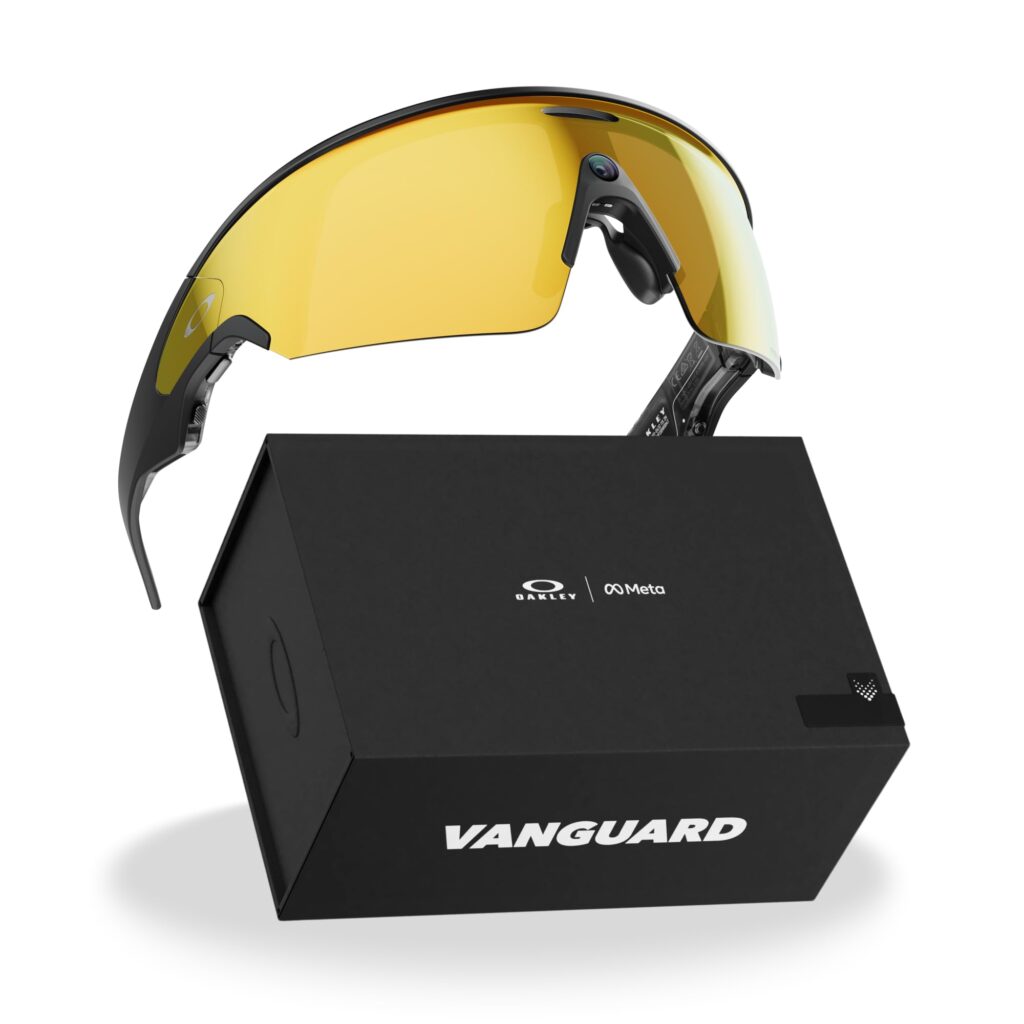
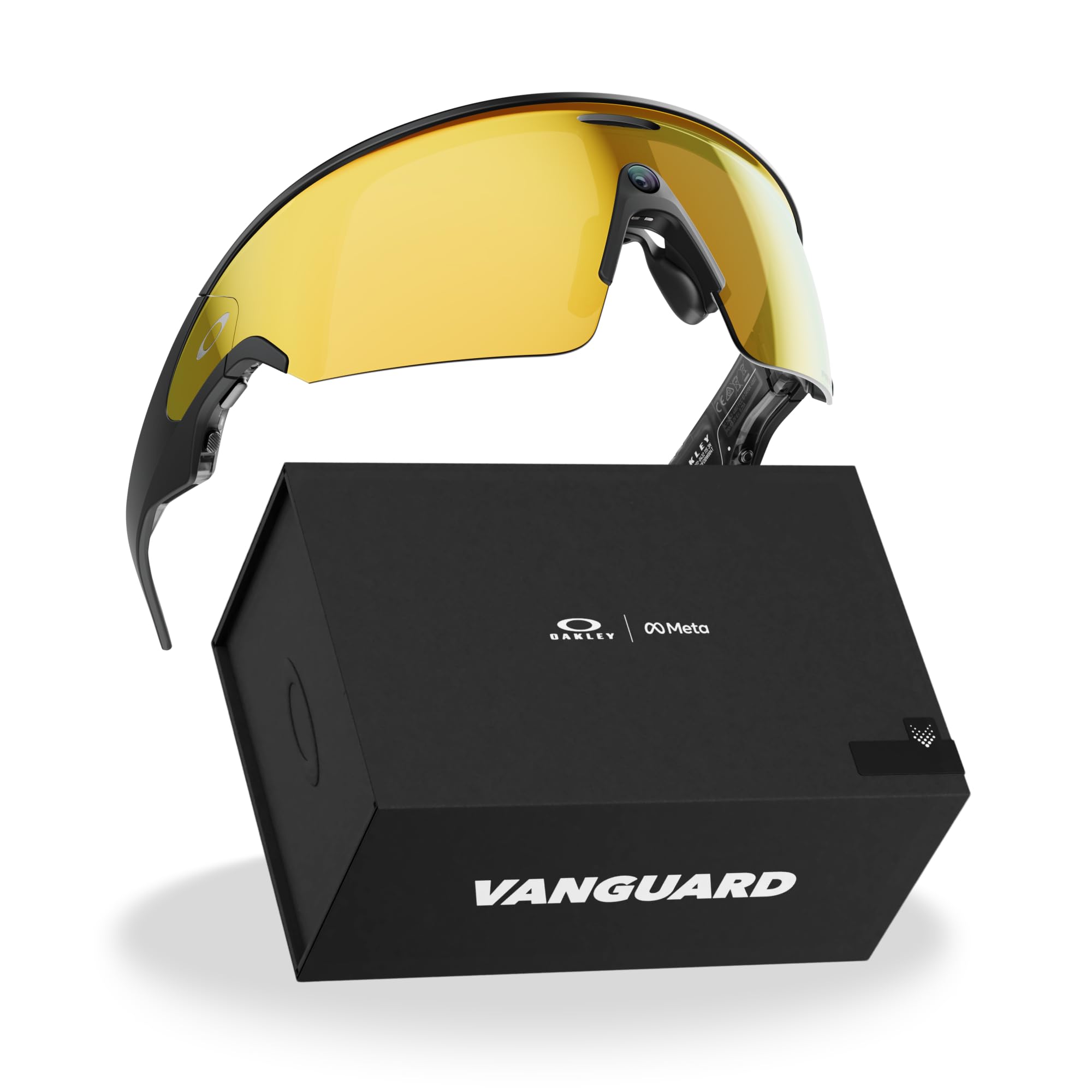
Stepping outside with the Meta Oakley Vanguard felt like testing a sports gadget built for movement. They settled comfortably, delivered clear open‑ear audio, and the hands‑free camera captured wide-angle clips without fiddling with buttons.
They appreciated the bright Prizm 24K lenses for sun protection during a run and found the onboard AI useful for quick answers and workout context. Battery life held up through typical sessions, though heavier video use shortened runtime noticeably.
The open-ear speakers make music and calls easy to follow while staying aware of surroundings, but audiophiles may miss deeper bass. The camera records clear POV footage, yet users who want pro-level stabilization or higher resolution might see limits.
Bottom Line
These Vanguard AI glasses combine sunglasses, audio, and a wearable camera into one practical package. If you want hands‑free capture and on‑the‑go AI features for workouts or outdoor activities, consider buying the Meta Oakley Vanguard on Amazon: https://www.amazon.com/Meta–Vanguard–Polarized-Rectangular-Sunglasses/dp/B0FQFJT9YW?tag=pe0366-20
Inside the Meta Oakley Vanguard: What Sets It Apart
A reviewer who wore the Vanguard on runs and at the beach noticed how it blends sport sunglasses with smart features. The camera captures wide-angle POV clips without fiddly mounts, and the open-ear speakers let them hear surroundings while listening to music—useful but not as private as earbuds.
The lenses cut glare and keep contrast high in bright conditions, though some users may prefer darker tints for extreme sun. Battery life lasted through long sessions, and AI-driven prompts and activity overlays added context to recorded workouts, but occasional connectivity hiccups interrupted quick sharing. Overall, it feels like a durable, sport-focused pair of smart shades that balances hands-free capture and audio with a few practical trade-offs.
Hands-Free POV Camera Experience
Using the glasses felt like strapping a compact action camera to the face without the bulk. The forward-facing camera tracked scenes naturally; their ultra-wide perspective captured wide swaths of activity, making runs and rides feel cinematic without needing to hold a device.
Voice capture and one-touch controls made starting and stopping recording simple, though ambient wind sometimes showed up in footage during fast descents. Battery life supported long outings, but heavy video use reduced available time noticeably. For anyone wanting true hands-free POV clips with minimal fuss, these deliver a usable balance of convenience and image scope, with a few trade-offs in noisy conditions and run-time when shooting high-resolution video.
Enhanced Vision With Prizm Lenses
He noticed an immediate difference the first time he stepped into bright sunlight. The Prizm 24K lenses sharpen contrast and mute glare, making trail details and road textures clearer without boosting color to unnatural levels.
On cloudy days the lenses still improved depth perception, though very low-light visibility remained limited as with most tinted sport lenses. They sit comfortably in the wrap-around frame, keeping peripheral clarity while blocking stray light.
Overall, the Prizm treatment delivers practical, everyday improvements for outdoor training and driving. It enhances visual confidence without overstating performance, but buyers who need true low-light clarity should consider a clear or Transitions option.
Immersive Open-Ear Audio Performance
They noticed the open-ear speakers deliver clear, room-filling sound without blocking ambient noise. Music retained decent detail and volume during runs, and phone calls came through intelligibly even in light wind.
Background awareness stayed intact, which helps safety outdoors, but bass lacks the punch of over-ear headphones. At higher volumes some listeners reported mild sound leakage to nearby people. Overall, the audio balances situational awareness and enjoyable playback, though audiophiles may find it lacking low-end depth.
Meta AI and Real-Time Insights
Using the glasses felt like having a teammate that talks back. Meta AI delivered timely data during runs and rides, surfacing wind, course, and translation info without taking hands off the bars.
The integration with Garmin and Strava added useful context to captured clips, though setup required extra pairing steps and occasional re-pairing interrupted flow. Live answers were handy but sometimes limited compared with a phone assistant.
Audio prompts and overlays made the insights easy to follow on the move. The trade-off: reliance on the Meta ecosystem can frustrate users who prefer standalone flexibility. Overall, Meta AI enhances activity tracking and POV capture when the ecosystem links stay stable.
Seamless Battery Life and Charging
Battery performance felt reliable during day-long outings. The glasses ran through a full morning of tracking, music, and occasional photo captures without needing a top-up.
The included case extends runtime noticeably, keeping the glasses charged between sessions so you don’t hunt for outlets. Charging was straightforward, and the case’s extra capacity made multi-day use practical.
Drawbacks: heavy camera use and continuous audio shortened runtime noticeably, so power-hungry sessions may need planned recharges. Overall, battery and charging behavior suit active users who plan charges around workouts and travel.
Durability for Active Lifestyles
After several outings, the Vanguard held up to real-world use without feeling fragile. The frame’s resin construction resists bumps and drops common in cycling and hiking, and the lenses stayed clear despite sweat and light abrasions.
They handle moisture and repetitive on-off wear well, though a snug fit may press against a helmet or hat. The charging case protects the glasses during transport, but users who toss gear into a pack should still use the case to avoid scuffs.
Personal Data Control and Privacy
They found the privacy options straightforward during use. Voice activation can be disabled quickly, and basic privacy settings live in the companion app, so microphone and camera behavior feels controllable on the go.
Recording indicators are visible but subtle; that clarity helped them avoid accidental captures in public. The reviewer wished for more granular camera/mic toggles directly on the glasses instead of relying on the phone app for some controls.
Overall, privacy feels considered but not airtight. Power users who need strict, local-only controls may find the current settings somewhat limited.
User Experience and Style Choices
They felt solid and purposeful during use, with the wraparound lenses providing dependable sun coverage for outdoor activities. The built-in camera and open‑ear audio worked smoothly for recording and listening, though pairing occasionally required re‑connection.
Stylewise, the glasses lean sporty and substantial rather than subtle; they read as performance eyewear more than fashion sunglasses. Fit may feel snug for wider heads, but included nose cushions help tune comfort. Overall, the blend of tech and athletic design suits active users who prioritize hands‑free capture and sound over dressy aesthetics.
Pros and Cons
They found the glasses useful for active recording and hands-free assistance. Battery life and the charging case handled longer outings without frequent recharging.
Pros
- Comfortable as everyday sunglasses while also recording photos and 3K video hands-free, which made capturing action moments simple and natural.
- Open-ear audio delivered clear sound for music and calls without blocking ambient noise, useful during rides and outdoor activities.
- Integration with fitness data and live info (wind, surf, metrics) added practical value for sports and training sessions.
- Charging case extended usable time significantly, reducing worry on multi-hour trips.
- Lens options, including the Prizm shade, offered good sun protection and visual clarity in bright conditions.
Cons
- Dependence on the Meta ecosystem and phone pairing created friction; they had to re-pair occasionally and some features felt tied to app updates.
- Fit can be snug for wider heads; the reviewer swapped bridge cushions to improve comfort.
- Hands-free voice controls were inconsistent at times, limiting reliability for fully voice-driven workflows.
- A few buyers reported packaging issues or used-condition deliveries, so inspection on arrival mattered.
- Some feature polish still felt incomplete (scheduling, seamless multi-device Bluetooth handoff), so power users may encounter rough edges.
Customer Reviews
Users say the Vanguard feels like a capable pair of smart sunglasses with solid camera and audio performance. They note the lenses provide good sun protection and the onboard mic and speakers work well for music and hands‑free use.
Many found setup and daily use smooth when kept inside Meta’s ecosystem, but some reported frustrating re‑pairing and limited interoperability with other devices. Fit can be snug for broader faces, and occasional shipping or packaging issues appeared in a few accounts.
Overall, reviewers appreciated the POV video and practical features for outdoor activities, while warning that smart functions sometimes need patience and ecosystem ties.
Conclusion
After using the Vanguard for several weeks, it performs well as a multipurpose sport sunglass with useful smart features. The camera and open‑ear audio deliver solid, hands‑free capture and playback during runs and rides, and Meta AI adds convenient, on‑the‑move info when it works smoothly.
Battery life and lens performance impressed during longer sessions, but the glasses feel snug on wider heads and occasional connectivity hiccups with the phone interrupt workflows. For buyers who prioritize POV video and integrated fitness data, Vanguard offers strong value; those seeking flawless, always‑on smart functionality should temper expectations.